Tag: Skill Progression

Multiplayer Games with Reward Based Progression
The contemporary gaming landscape relies heavily on mechanics that keep players engaged and motivated over long periods. In multiplayer environments, well-designed incentives serve as the primary engine driving continuous community participation and long-term retention. These systems transform standard gameplay loops into deeply satisfying journeys that reward individual and collective effort.
The Psychology of In-Game Incentives
Understanding how mechanics influence player psychology helps developers craft experiences that motivate continued play and build emotional bonds. When players receive tangible feedback for their time investment, their sense of achievement increases significantly. This psychological loop satisfies the internal drive to pursue success and meet high standards in virtual spaces.
Furthermore, the structure of modern unlocking systems encourages a strong sense of personal growth. Players are motivated not just by the thrill of victory, but by the visible milestones they reach along the way. This balance ensures that both casual participants and dedicated enthusiasts find value in their daily sessions.
Enhancing Team Synergy and Cooperation
Reward systems within cooperative multiplayer spaces do more than just boost individual performance. They frequently encourage collective problem-solving and require teams to coordinate their strategies to unlock exclusive group milestones. This collaborative focus shifts the dynamic away from pure competition toward shared triumphs.
To access comprehensive platforms that offer modern gaming features, players can check out the latest Link M88 options online. Connecting with these specialized digital hubs provides players with various options tailored to different engagement styles. Cultivating these team-based milestones helps communities build long-lasting operational trust.
Balancing Progression for All Skill Levels
A primary challenge for modern game designers is creating a progression loop that feels fair to everyone. If the milestones require too much effort, newer players may feel discouraged and leave the community prematurely. Conversely, if the upgrades are too easy to obtain, veteran players will quickly lose interest due to a lack of challenge.
Achieving equity across diverse playstyles remains the ultimate goal for sustainable online arenas. Developers achieve this balance by implementing multi-tiered structures that offer immediate casual goals alongside long-term expert milestones. This ensures that every participant faces an optimal level of difficulty relative to their current proficiency.
The Future of Dynamic Reward Systems
As digital entertainment platforms continue to evolve, the methods used to track and reward progress are becoming increasingly sophisticated. Future developments are expected to introduce highly personalized progression paths that adapt to how specific individuals prefer to play. This level of customization ensures that the virtual environment remains vibrant and relevant for years to come.
Ultimately, the continuous integration of creative milestones will define the longevity of the next generation of online games. By focusing on meaningful engagement rather than repetitive tasks, developers can ensure that their virtual spaces remain highly captivating. The journey itself becomes the ultimate reward for passionate players worldwide.
How to Stay Focused in Competitive Rummy Events
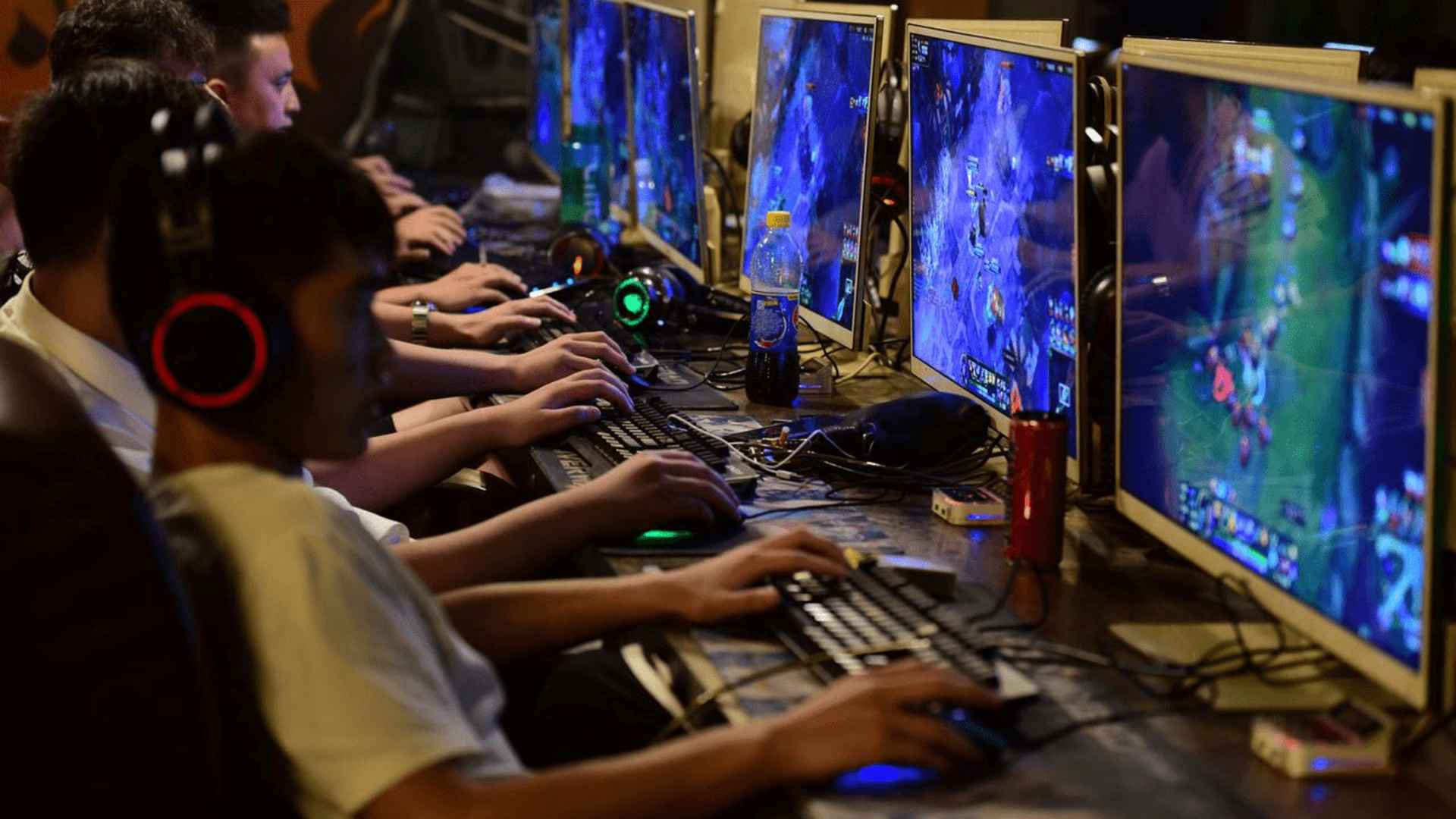
Participating in high-stakes card tournaments requires a profound level of concentration that goes beyond simply knowing the basic game rules. When competing against skilled opponents under tight time limits, maintaining a stable mindset becomes the ultimate differentiator between winning and losing. Developing structured mental routines is essential for players who wish to perform at their absolute best throughout these intense matchups.
The Importance of Attentional Control
During a competitive match, the human brain can easily become overwhelmed by external distractions or sudden spikes in emotional stress. When your nervous system shifts into a threat-oriented state, your ability to track discarded cards and calculate probabilities is severely compromised. Experienced competitors understand that training their attention is just as vital as refining their tactical hand-management skills.
To keep your focus sharp, you should establish pre-game rituals that actively prepare your mind for the challenge ahead. Simple habits like rhythmic breathing or listening to calming music can reset your nervous system and restore cognitive clarity. For those looking to test their newly acquired mental stamina, visiting the Link M88 platform offers a highly engaging environment to practice in real-time scenarios.
Mastering Card Tracking Under Pressure
A crucial element of competitive success is the ability to closely monitor every card that enters and leaves the discard pile. Missing even a single turn because of a brief lapse in concentration can easily lead to a costly error that compromises your entire strategy. Successful players treat the table as a dynamic puzzle, constantly updating their mental map of what opponents might be holding.
Maintaining this level of intense alertness over multi-round events requires a disciplined pacing of your cognitive energy. Rather than overthinking during your opponents' turns, learn to maintain a relaxed but observant gaze that picks up subtle behavioral clues. This balanced approach helps prevent mental fatigue, ensuring you have the energy needed for critical late-game decisions.
Developing a Resilient Competitive Mindset
No matter how well you prepare, setbacks such as receiving a poor initial deal or losing a closely contested round are inevitable. The fastest way to ruin your performance is to let frustration carry over from a previous hand into your current play. True tournament champions separate themselves from the crowd by executing a rapid mental reset after every round, regardless of the outcome.
By viewing each challenge as an opportunity to learn, you can gradually build the emotional resilience needed for long-form competitions. Accepting calculated risks and managing your stress levels will naturally improve your overall decision-making speed. Over time, this psychological fortitude transforms into a powerful competitive edge that keeps you calm when the stakes are highest.
Establishing Effective In-Game Routines
Creating a structured, repeatable sequence of actions during your turn is highly effective for maintaining consistent focus. Whether it is organizing your hand in a specific pattern or taking a brief breath before drawing, routines anchor your mind amidst the chaos. These small steps help prevent impulsive moves that are driven by panic rather than logical planning.
Additionally, keeping a physical water bottle nearby and taking quick micro-breaks between matches can significantly boost your overall endurance. Sustained mental peak performance is impossible without basic physical self-care during long, grueling tournament sessions. By combining physical readiness with sharp cognitive strategies, you will build a solid foundation for long-term competitive excellence.